
IV Hydration Therapy: The Truth About Wellness Drips, Risks, and Medical Uses
IV hydration therapy (IVT) is a medical procedure for delivering fluids, electrolytes, and nutrients directly into the bloodstream, bypassing the digestive system for rapid absorption. While widely used in hospitals for specific medical conditions, its use for general wellness is not regulated or FDA-approved, and most healthy individuals can meet their hydration needs by drinking fluids.
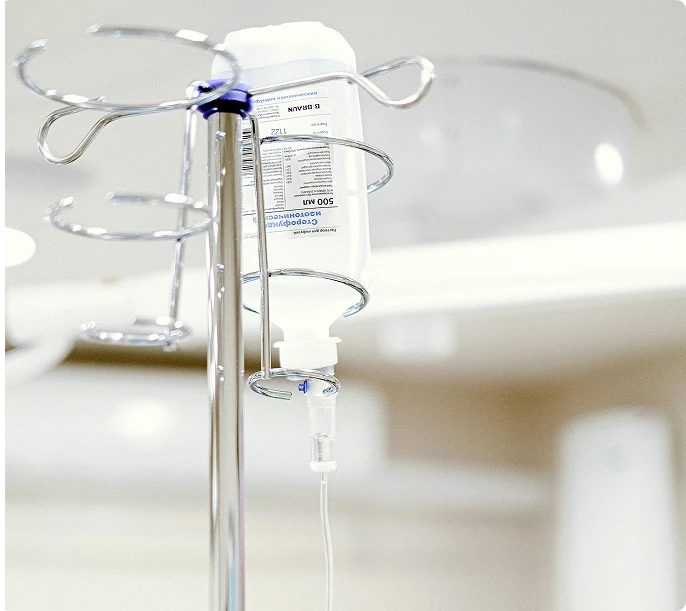
Importance in Medical Settings
In clinical environments, IV hydration is a vital treatment when oral fluid intake is insufficient or compromised.
Severe Dehydration: It is crucial for patients with severe dehydration caused by excessive vomiting, diarrhea, fever, or heat exposure, as it rapidly restores fluid and electrolyte balance.
Inability to Drink: It helps patients who are too weak, ill, or confused to drink enough fluids orally.
Malabsorption Issues: For individuals with gastrointestinal disorders or other conditions that impair nutrient absorption, IVT ensures essential vitamins and minerals reach the bloodstream.
Medication Delivery: IV lines are used to administer medications, such as antibiotics, chemotherapy, or pain relief, quickly and efficiently.
Surgical Support: It is used before, during, and after surgery to maintain hydration and support the body’s healing process.
Benefits (Primarily for Wellness Use)
In wellness and outpatient settings, promoters of elective IVT claim various benefits, though scientific evidence is limited and largely anecdotal: Faster Rehydration: It is marketed as a quick way to combat fatigue, headaches, and dizziness related to dehydration or hangovers.
Enhanced Energy and Recovery: It may provide a quick energy boost, support muscle recovery for athletes, and improve mental clarity due to the rapid delivery of B vitamins and amino acids.
Immune System Support: Infusions containing high doses of Vitamin C and zinc are claimed to strengthen immune defenses and aid in faster recovery from illness.
Beauty and Anti-Aging: Antioxidants like glutathione are included in some “cocktails” to potentially improve skin health and appearance.

Potential Risks and Cautions
IV hydration therapy is an invasive procedure and carries potential risks, underscoring the importance of receiving treatment from a trained professional in a sterile, medical setting.
Infection: Risk of infection at the injection site is a concern, especially if proper hygiene and sterile conditions are not maintained.
Fluid Overload: Administering too much fluid, especially in patients with heart or kidney conditions, can lead to fluid overload, causing swelling, difficulty breathing, and increased blood pressure.
Electrolyte Imbalance/Nutrient Toxicity: High doses of certain vitamins and minerals can lead to imbalances or toxic overdoses, which can be dangerous.
Vascular Complications: Risks include bruising, vein inflammation (phlebitis), and in rare cases, blood clots (deep vein thrombosis).
Key Takeaway for Patients
For most healthy people, drinking water and maintaining a balanced diet are sufficient for hydration and nutrient intake. IV hydration therapy should not replace these healthy habits.