
Medical weight loss has changed dramatically in recent years. GLP-1 medications represent a significant advance in the medical management of obesity, offering new hope and effective options for patients struggling to achieve sustainable weight loss.
Ready to explore your options? Learn more about our medical weight loss program in Falcon.

Struggling with weight loss can be a challenging journey.
Despite dedicated efforts with diet and exercise, many people find it difficult to achieve and maintain a healthy weight. The good news is that medical science is constantly evolving, offering effective, evidence-based options that extend beyond traditional methods.
For individuals with obesity or weight-related health conditions, it’s crucial to understand the spectrum of available treatments. This blog explores these options, with a special focus on a class of revolutionary medications known as GLP-1 receptor agonists.
The Foundation: Lifestyle and Behavioral Changes
No matter what medical path you choose, lifestyle modifications remain the cornerstone of weight management. These changes are essential for long-term success and involve:
- Nutrition: Adopting a balanced eating plan that focuses on whole foods, lean proteins, fruits, and vegetables while minimizing processed sugars and unhealthy fats.
- Physical Activity: Regular movement is key. The goal is to incorporate consistent, enjoyable physical activity into your daily routine, whether it’s brisk walking, swimming, cycling, or strength training.
- Behavioral Therapy: Working with a therapist or a registered dietitian can help identify triggers, develop healthy coping mechanisms, and build sustainable habits.
Advancing Options: Medications and Medical Devices
When lifestyle changes alone aren’t enough, healthcare providers may recommend medical interventions. These options can significantly enhance weight loss efforts.
Prescription Medications: The Role of GLP-1s
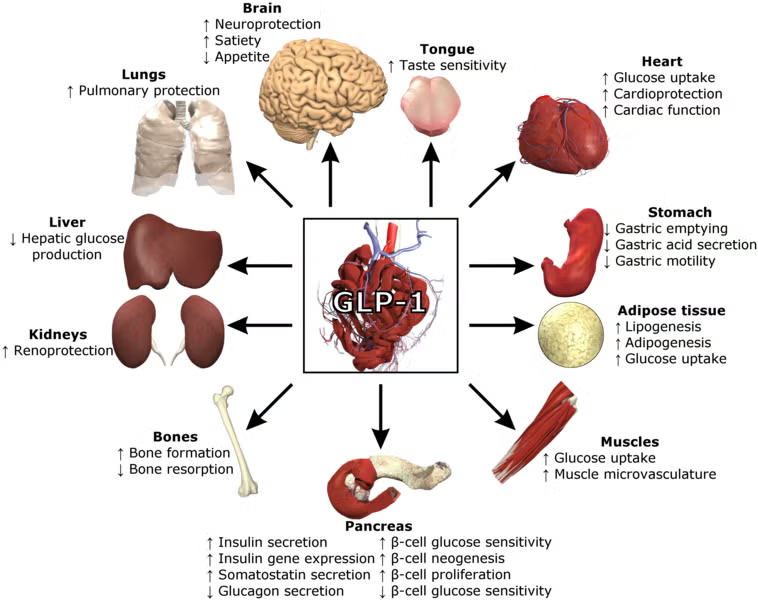
One of the most exciting breakthroughs in recent years is the development of GLP-1 receptor agonists. These medications mimic a natural hormone (glucagon-like peptide-1) produced in the gut that plays a crucial role in regulating appetite and blood sugar levels.
How Do GLP-1s Work?
GLP-1 medications help you lose weight through several mechanisms:
- Appetite Suppression: They signal to your brain that you are full, which leads to reduced food intake and fewer cravings.
- Slower Digestion: They slow down gastric emptying, meaning food stays in your stomach longer, promoting a sustained feeling of fullness.
- Blood Sugar Control: For patients with Type 2 diabetes, these medications also help the body release insulin when blood sugar levels are high, improving glycemic control.
Common GLP-1 Medications
Several GLP-1 medications are currently approved for weight management in eligible patients (typically those with a BMI of 27 or higher with at least one weight-related condition, or a BMI of 30 or higher). Brand names you might hear include:
- Semaglutide (brand names include Ozempic and Wegovy)
- Liraglutide (brand names include Victoza and Saxenda)
- Tirzepatide (brand names include Mounjaro and Zepbound)
These are typically administered via a weekly or daily injection. Your healthcare provider will determine the most appropriate option based on your health history and goals.
Other Medical Options
Beyond GLP-1s, other established medical options may be suitable, depending on individual circumstances:
- Other Oral Medications: Various FDA-approved oral medications work through different pathways (e.g., reducing fat absorption, stimulating metabolism) to aid weight loss.
- Medical Devices: Non-surgical, temporary devices like intragastric balloons can be placed in the stomach to create a feeling of fullness.
- Bariatric Surgery: For individuals with severe obesity, surgical options such as gastric bypass or sleeve gastrectomy offer the most significant, long-term weight loss results.
Is a GLP-1 Right For You?
The decision to start any weight loss treatment is a personal one that should be made in close consultation with a qualified medical professional.
GLP-1 medications are not a magic bullet; they are a tool designed to work in conjunction with a reduced-calorie diet and increased physical activity. Potential side effects can include nausea, diarrhea, or constipation, which often subside as your body adjusts to the medication.
Your healthcare team will conduct a thorough evaluation of your medical history, current health status, and weight loss goals to determine the best path forward.
Take the Next Step
Achieving a healthy weight is a journey toward better health, improved energy, and a higher quality of life. By understanding the modern options available, including the powerful new tools like GLP-1 medications, you can have an informed conversation with Alicia Lewis, Nurse Practitioner about the best treatment plan for you.
Schedule a consultation with our medical team today to discuss your weight loss options and take the first step toward a healthier future.